Katja Hoffmann · 20 September 2026
How Proprietary Development Cycles Shape Long-Term Retention in Private Digital Membership Networks
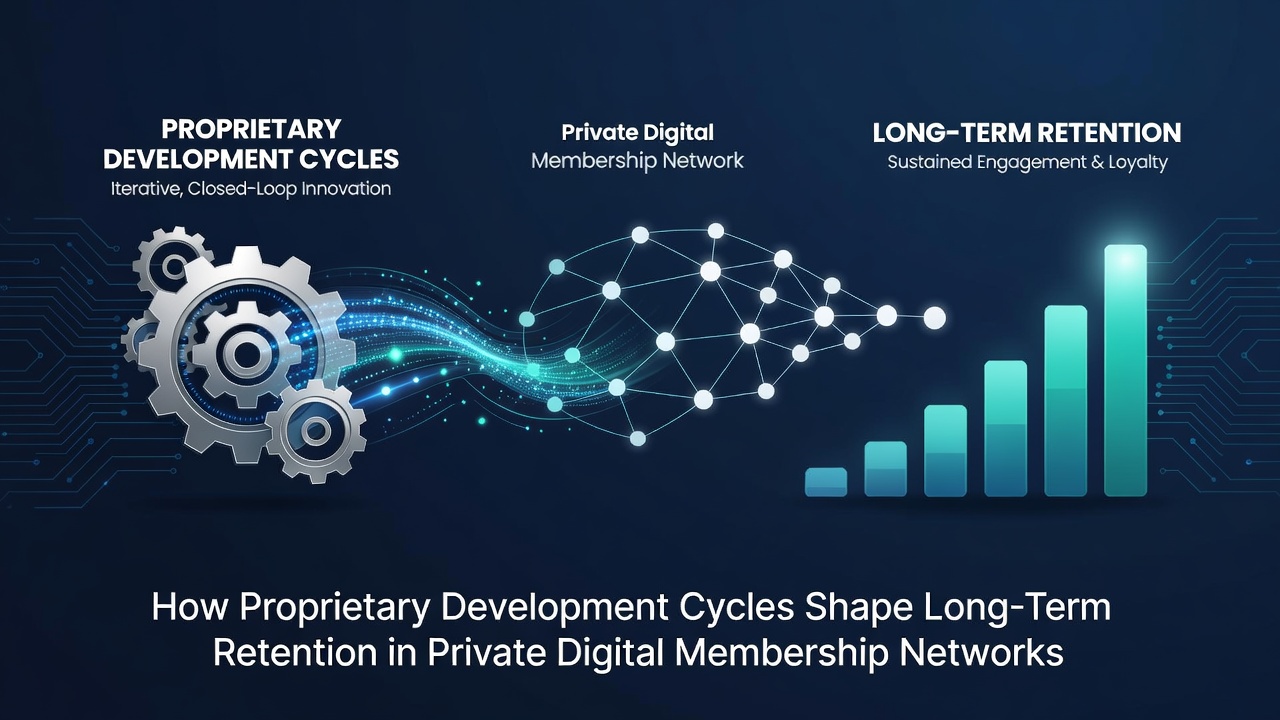
Private digital membership networks rely on closed development processes that allow teams to iterate on features without external interference, and this approach directly influences how members stay engaged over multiple years according to industry reports. Researchers have tracked these cycles through longitudinal studies of exclusive online communities, where custom codebases receive regular updates that address specific user needs while maintaining platform exclusivity.
Data from digital economy analyses show that networks using proprietary cycles achieve higher retention rates because updates align closely with member feedback loops rather than broad market trends, yet the process demands consistent internal resources to sustain momentum. Those who've examined retention patterns note that members often return when new tools integrate seamlessly with existing workflows, creating a compounding effect on loyalty.
Core Mechanics of Proprietary Cycles
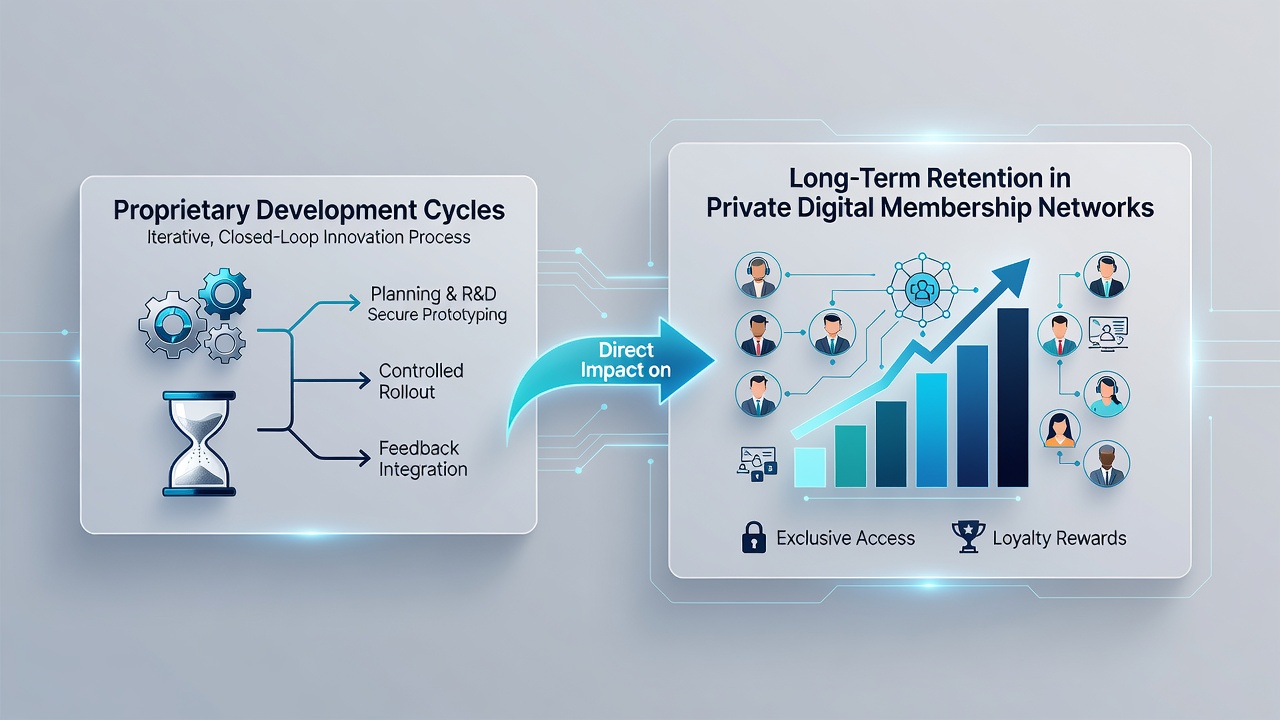
Development teams in these networks follow structured phases that include requirement gathering from within the member base, followed by internal testing and phased rollouts, and this sequence repeats on quarterly or semi-annual schedules depending on network size. Evidence from platform audits indicates that such cycles prevent feature bloat because decisions remain focused on core retention drivers like personalized interfaces and exclusive content delivery mechanisms.
What's interesting is how these cycles incorporate security patches and performance optimizations without public disclosure, which preserves the sense of a controlled environment that members value. Studies conducted across multiple regions reveal that networks maintaining strict proprietary control report lower churn during update periods compared to those relying on third-party plugins.
Retention Patterns and Data Insights
Long-term member retention emerges when proprietary updates introduce incremental improvements that feel tailored rather than generic, and figures from European digital society surveys demonstrate this through metrics tracking repeat logins and content interaction rates. Observers note that members in these networks exhibit sustained participation because the development rhythm creates predictable yet evolving experiences that reward continued involvement.
One analysis of membership platforms found correlations between cycle frequency and retention curves, where shorter cycles of three to four months correlated with steadier engagement across cohorts. But here's the thing: longer cycles sometimes allow deeper feature development that yields spikes in activity when releases occur, showing that timing plays a variable role based on network type.
Integration with Member Behaviors
Members adapt their usage patterns around the rhythm of proprietary releases, and this adaptation strengthens network stickiness as individuals build routines tied to anticipated improvements. Research indicates that when development teams prioritize backward compatibility during cycles, existing members experience fewer disruptions that could prompt exits.
Case examples from North American platforms highlight instances where targeted updates addressed niche community requests, resulting in measurable upticks in multi-year subscriptions. Those studying these dynamics point out that the closed nature of development allows rapid response to internal data without competitive leakage, which in turn supports retention through perceived exclusivity.
Regional Variations in Cycle Implementation
Platforms operating under different regulatory frameworks adapt their proprietary cycles accordingly, with data from Canadian statistical sources on digital engagement showing variations in update pacing that align with local privacy standards. In contrast, networks in Asia-Pacific regions often compress cycles to accommodate faster member growth trajectories while still preserving internal control.
According to reports from the OECD on digital platform economies, these adaptations influence retention by ensuring compliance does not dilute core features that drive member value. People who've compared cross-border networks observe that successful cycles balance innovation speed with stability, leading to consistent membership durations regardless of geography.
Trends Emerging Around September 2026
Projections tied to ongoing platform evolution suggest that by September 2026 many networks will synchronize proprietary cycles with advanced analytics tools that predict retention risks before they materialize. Industry organizations tracking digital collectives report early pilots where machine learning assists in prioritizing cycle features based on behavioral signals.
This shift could refine how cycles support long-term participation, as teams gain clearer visibility into which updates correlate with sustained activity. Evidence from preliminary trials indicates reduced attrition when cycles incorporate these predictive elements without exposing underlying code.
Conclusion
Proprietary development cycles continue to serve as foundational elements in shaping retention within private digital membership networks through their emphasis on controlled iteration and member-aligned updates. Data across studies consistently link these processes to extended participation periods when executed with focus on compatibility and targeted enhancements. As networks prepare for developments around September 2026, the patterns established so far provide a basis for understanding how internal development rhythms sustain engagement over time.